
Let's connect
Ask a question or leave me a comment
Oops! Something went wrong while submitting the form.


There are places where nature feels beautiful, and then there are places where nature feels almost unreal. Yellowstone National Park is one of those destinations. With colorful hot springs, powerful geysers, dramatic canyons, peaceful lakes, forests, mountains, and abundant wildlife, Yellowstone offers an experience that stays with you long after you leave.
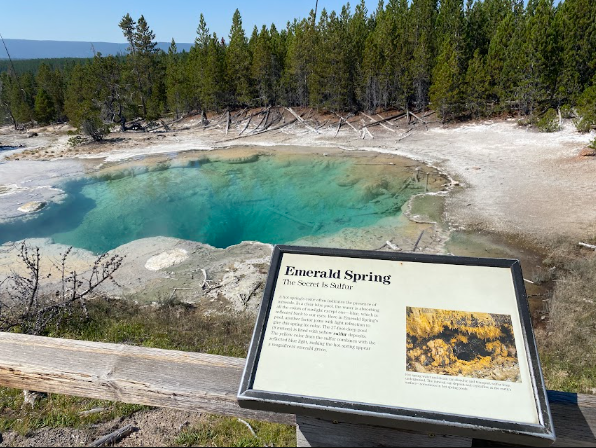
Established in 1872 as the world's first national park, Yellowstone protects an enormous landscape filled with geothermal and natural wonders. Today, travelers visit for hiking, wildlife watching, photography, scenic drives, and the simple pleasure of spending time surrounded by remarkable wilderness.
For many first-time visitors, Old Faithful is the natural place to begin. This famous geyser has been attracting travelers for generations, and watching it erupt is one of those classic Yellowstone experiences that feels worth seeing in person.
Old Faithful is not the largest geyser in the park, but its eruptions can be predicted relatively well compared with many other geysers. The surrounding Upper Geyser Basin also contains hundreds of other hydrothermal features, so there is much more to explore after the main eruption.
Take a walk along the boardwalks and give yourself time to appreciate the steaming pools, colorful formations, and smaller geysers nearby.
Grand Prismatic Spring is one of Yellowstone's most recognizable natural attractions. Its brilliant blue center is surrounded by bands of orange, yellow, and green, creating a scene that looks almost painted.
The colors are produced by heat-loving microorganisms called thermophiles, which thrive in the extreme conditions around the hot spring. Grand Prismatic is also Yellowstone's largest hot spring.
For the best experience, explore the boardwalk carefully and consider visiting an elevated viewpoint for a broader perspective. Seeing the colors from above helps you appreciate just how large and extraordinary this natural feature really is.
Yellowstone is not only about geysers and hot springs. The Grand Canyon of the Yellowstone offers a completely different landscape, with dramatic cliffs, waterfalls, forests, and the Yellowstone River winding through the canyon.
The canyon's changing colors and impressive formations make it a favorite area for photographers. Several viewpoints allow you to stop, take photographs, and simply enjoy the scale of the landscape.
Give yourself enough time here rather than rushing from one viewpoint to another. Sometimes the most memorable part of the experience is simply standing quietly and taking in the scenery.
One of the most exciting aspects of visiting Yellowstone is the possibility of seeing wildlife in a natural environment. Bison are among the animals visitors commonly associate with the park, but the ecosystem also supports elk, bears, wolves, coyotes, and many other species.
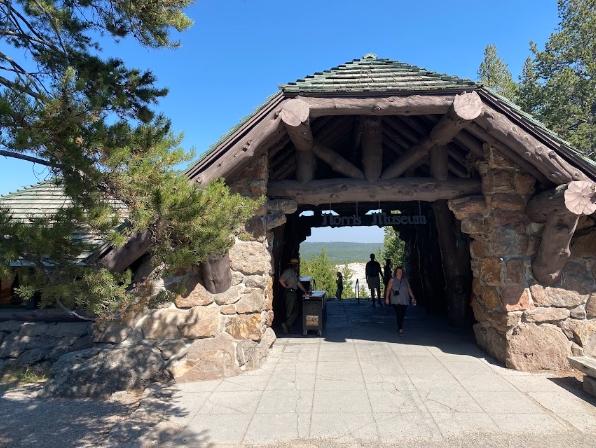
Lamar Valley is particularly well known for wildlife viewing, while other parts of the park can also provide memorable encounters. Early morning and evening are often rewarding times for wildlife watching, when animals may be more active.
Remember that these are wild animals, not attractions in a zoo. Give them plenty of space and follow park safety guidance. Responsible wildlife viewing protects both visitors and animals.
Mammoth Hot Springs offers another side of Yellowstone's geothermal landscape. Instead of large colorful pools, visitors encounter striking terraces created by mineral-rich hot water flowing through limestone.
The formations change over time, which means the landscape you see on one visit may look different during a future trip. Boardwalks provide access to the area while helping protect the fragile geothermal environment.
Nearby historic sites also add a cultural and historical element to your visit, making Mammoth a good stop for travelers who enjoy combining nature with history.
After exploring geothermal areas and hiking trails, Yellowstone Lake can provide a peaceful change of scenery. Its broad blue waters are surrounded by mountains and forests, creating an excellent setting for photography and relaxation.
West Thumb is especially interesting because geothermal features appear close to the lake. Visitors can walk along boardwalks and see hot springs, mudpots, and geysers with the lake as a backdrop.
If you enjoy peaceful landscapes, consider setting aside time to simply sit near the water and enjoy the view.
For travelers who love outdoor adventures, Yellowstone has an extensive trail network. Hiking opportunities range from easier walks to more demanding backcountry adventures.
The National Park Service lists more than 1,100 miles of trails throughout the park, giving visitors many ways to experience its forests, mountains, rivers, waterfalls, and geothermal areas.
You do not have to complete a long hike to enjoy the park. Even a short trail can lead to beautiful scenery and a quieter experience away from busy viewpoints.
Yellowstone is large, so driving is an important part of many visits. Scenic roads connect different areas of the park and make it possible to experience a variety of landscapes during one trip.
Rather than treating the drive simply as transportation, make it part of your adventure. Stop at overlooks, stretch your legs, photograph the scenery, and watch for wildlife from safe locations.
Because conditions and road access can change with the seasons, check official park information before your trip and plan your route accordingly.
Yellowstone changes dramatically throughout the year. Summer is popular for sightseeing, hiking, wildlife watching, and exploring the park's major attractions. Autumn brings cooler temperatures and colorful scenery, while winter transforms the landscape into a quieter world of snow and ice.
Spring can offer opportunities to see new wildlife activity and changing landscapes, although weather and access can vary.
The best season depends on what you want from your trip. If you prefer extensive road access and classic sightseeing, check seasonal conditions carefully before making plans.
Yellowstone's beauty also comes with responsibility. Geothermal areas can be extremely dangerous, and visitors should remain on designated boardwalks and trails. The National Park Service specifically warns that hydrothermal water can cause severe burns.
Wildlife also deserves respect and distance. Avoid approaching animals, never attempt to feed them, and follow posted safety instructions.
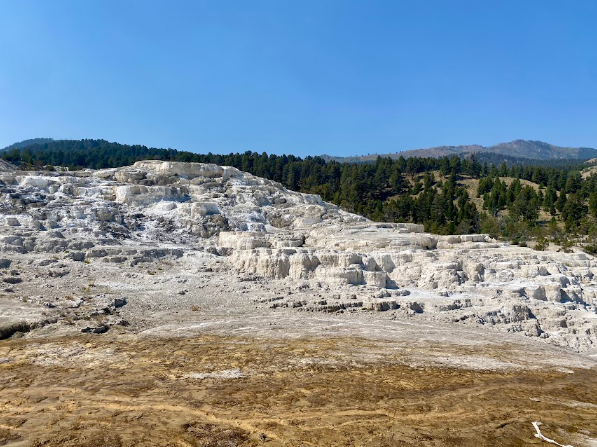
A responsible visit helps preserve Yellowstone's natural environment so future travelers can experience the same remarkable landscapes.
A trip to Yellowstone can be as relaxing or adventurous as you want it to be. You might spend one day visiting famous geysers, another exploring wildlife-rich valleys, and another hiking beside lakes and waterfalls.
The key is to avoid trying to see everything at once. Yellowstone covers about 2.2 million acres, so choosing a few priority areas and allowing time to explore them properly can make your trip much more enjoyable.
Yellowstone National Park is more than a collection of famous attractions. It is a place where geothermal activity, wildlife, forests, mountains, rivers, and lakes come together to create an extraordinary natural environment.
Whether you dream of watching Old Faithful erupt, photographing Grand Prismatic Spring, spotting bison in a valley, hiking through the wilderness, or simply enjoying a quiet mountain landscape, Yellowstone offers countless ways to create unforgettable travel memories.
Take your time, respect the wilderness, and leave room for unexpected moments. Sometimes the best Yellowstone experiences are the ones you never planned for.


